Looking for property search, mortgages and legal advice in one place?
Try our BTLPlatform
Selling a £1m+ Portfolio? What the Smartest Seller I've Seen Did When the Valuation Came Back Short
Let's talk
August 8, 2026
 6 Minutes
6 Minutes

Book a free Portfolio Fit Review. Fifteen minutes to sense-check your realistic value against how buyers and lenders will actually see it — and flag the valuation tripwires that kill portfolio sales, before you list anything. 👉 Book here
If you are selling a £1m-plus rental portfolio, there is one number you should worry about more than any other. It is not the offer. It is the number in your head right now — the one you believe your portfolio is worth. Because until a lender’s surveyor has tested it, that number is an estimate, and the gap between your estimate and their report is where portfolio sales go to die.
This is the seller’s side of a real deal file: six flats the seller valued at £1.5m, valued by the buyer’s surveyors at £1.3m and then £1.4m. Instead of the sale collapsing, this seller made a series of decisions that got the deal completed in around three months, and walked away satisfied. The details are changed; the decisions are exactly what happened.
Three parties at the table — and only one opinion backed by money
When a portfolio sells to a finance-backed buyer, which is most serious buyers, there are three parties at the table: you, the buyer, and the buyer’s lender. And the lender’s surveyor is the only one of the three whose opinion is backed by money.
If that surveyor values your portfolio £200,000 under your number, the buyer’s loan shrinks accordingly. The deal stalls — not because anyone lied, not because the buyer got cold feet, but because the money that was going to buy your portfolio partially evaporated.
Here is the part sellers underestimate: that valuation doesn’t disappear when the buyer does. Your next finance-backed buyer sends another surveyor to the same flats, with the same comparables, applying the same block-value rules. Sellers who relist after a down-valuation usually just schedule the same collision with a new date — with a staler listing and a weaker hand.
The file: an estimate nobody had tested
Six tenanted flats across two blocks, three in each, already title split. The seller’s working value: £900,000 and £600,000 — £1.5m. Understand what that number was. It was an estimate built from asking prices, hope, and a little rounding up. No one had tested it. Almost every portfolio seller starts here, and it feels completely real until the day it’s tested.
The buyer’s lender valued the portfolio at £1.3m. The buyer challenged it — no change. The buyer then paid for a completely fresh set of valuations with a second lender. Those came back at £1.4m.
The decision point every seller should study
Now sit in the seller’s chair, because this is where portfolio sales are won or lost.
Option one: reject the evidence. Relist and wait for a buyer who agrees with £1.5m. That means months more on the market, and the next finance-backed buyer’s surveyor walks the same flats and produces the same answer. Two professional reports now exist. The £1.5m doesn’t.
Option two: chase a cash buyer. They exist, but they know exactly what they are and they price accordingly. A genuine cash buyer’s discount would likely have been the deepest cut of all — without even establishing what the portfolio was really worth.
Option three: engage with the evidence and negotiate structure with the committed buyer already in front of you — the one who has now spent money on two sets of valuations, has finance architected, and demonstrably wants the portfolio.
The rare move: updating the number
The seller did something genuinely rare, and it is the reason this deal completed. They updated their number. Two independent professional opinions — £1.3m and £1.4m — was evidence, not insult. The seller accepted that £1.5m had always been an estimation, and that £1.4m, established twice, was the real value of what they owned.
That single mental step is what separates sellers who complete from sellers who spend eighteen months relisting.
Then they negotiated like a professional. If the buyer wanted a discount, it had to buy something the seller valued: speed and certainty. A 30% discount to the established value was agreed in exchange for a fast, certain, financed completion, with an element of vendor finance — part of the money left in the deal by the seller — making the structure work for both sides.
Was it the number the seller imagined at the start? No. Was it a completed sale on known terms in around three months, against real alternatives — a stale listing, repeat down-valuations, or a cash buyer’s blind discount? The seller thought so. They got what they actually wanted: a deal done at a price anchored to evidence, not to hope.
Four lessons for any portfolio seller
One: your valuation is an estimate until a surveyor says otherwise — test it before you go to market, and understand how block-level valuation rules will treat your portfolio, because the buyer’s lender certainly will. Two: treat professional valuations as information, not insults — the sellers who lose worst are the ones defending a number the market has already rejected twice. Three: if you give a discount, sell it — speed, certainty and a financed buyer are worth real money, and vendor finance is a legitimate structuring tool, not a distress signal (it needs proper legal advice, but it belongs in every serious seller’s toolbook). Four: the quality of your buyer’s finance is your risk — a seller who asks “how is your purchase structured, and what happens if the valuation comes in short?” at offer stage isn’t being difficult; they’re protecting their own completion.
If you’re a UK landlord with a £1m-plus portfolio thinking about an exit in the next three to thirty-six months, the time to plan for the valuation is before you list — not mid-deal.
👉 Book your free Portfolio Fit Review
Fifteen minutes, and it could be the difference between a completed exit and a year of fall-throughs.
SPV Mortgages is a trading style of Venoa Financial Services Ltd. Regulated mortgage advice and product recommendations are provided via Connect IFA Ltd, authorised and regulated by the Financial Conduct Authority. Your property may be repossessed if you do not keep up repayments on your mortgage. Examples shown are illustrative and details have been changed to protect client confidentiality.

Ready to invest
in Property?
Let's talk
Ready for the next gen investment Property and mortgage sourcing platform
The Buy-to-Let Platform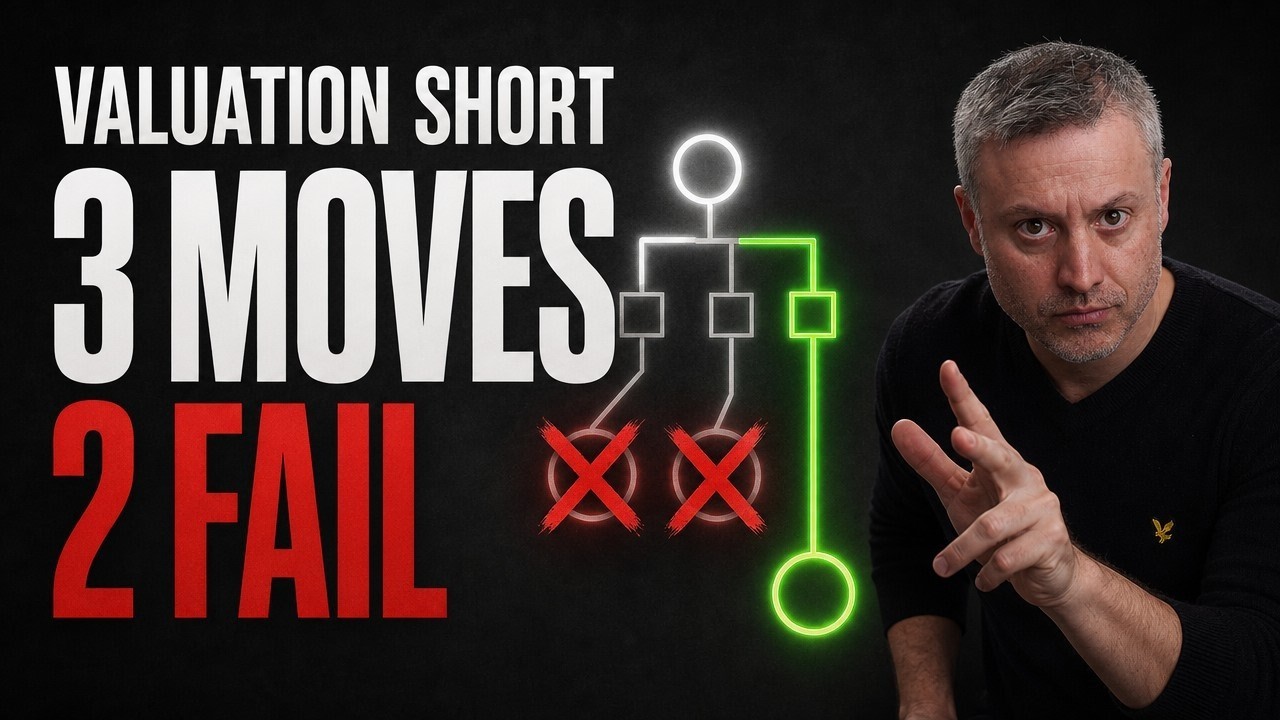
August 1, 2026
Your Portfolio Valuation Came Back Short: The Three Moves That Decide If the Deal Survives
Book a free 15-minute portfolio call. Fifteen minutes to pressure-test your numbers against how surveyors and lenders will actually see…
Read more
July 25, 2026
A £1.5m Portfolio, a £1.3m Valuation, and the Deal That Completed Anyway
Book a free 15-minute portfolio call. Fifteen minutes to pressure-test your numbers against how surveyors and lenders will actually see…
Read more
July 18, 2026
How to Prepare Your Property Portfolio for Sale
You built your portfolio over ten, fifteen, maybe twenty years. Yet when you finally decide to sell, you will make…
Read more
Latest Video


The guidance and/or advice contained within the website is subject to the UK regulatory
regime and is therefore primarily targeted at customers in the UK.
The Financial Conduct Authority does not regulate some aspects of buy-to-let mortgages.
Your home or property may be repossessed if you do not keep up repayments on your mortgage.
Our Solutions
Quick Link
Members of